How Car Key Replacement Works: Cutting, Coding, and Programming Explained
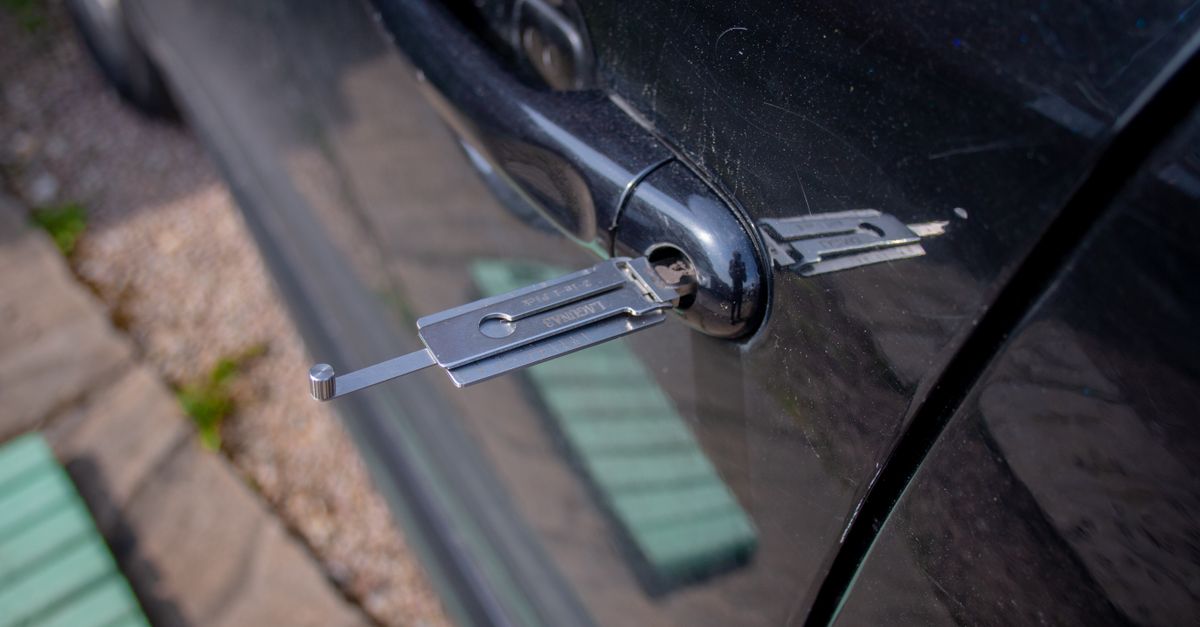
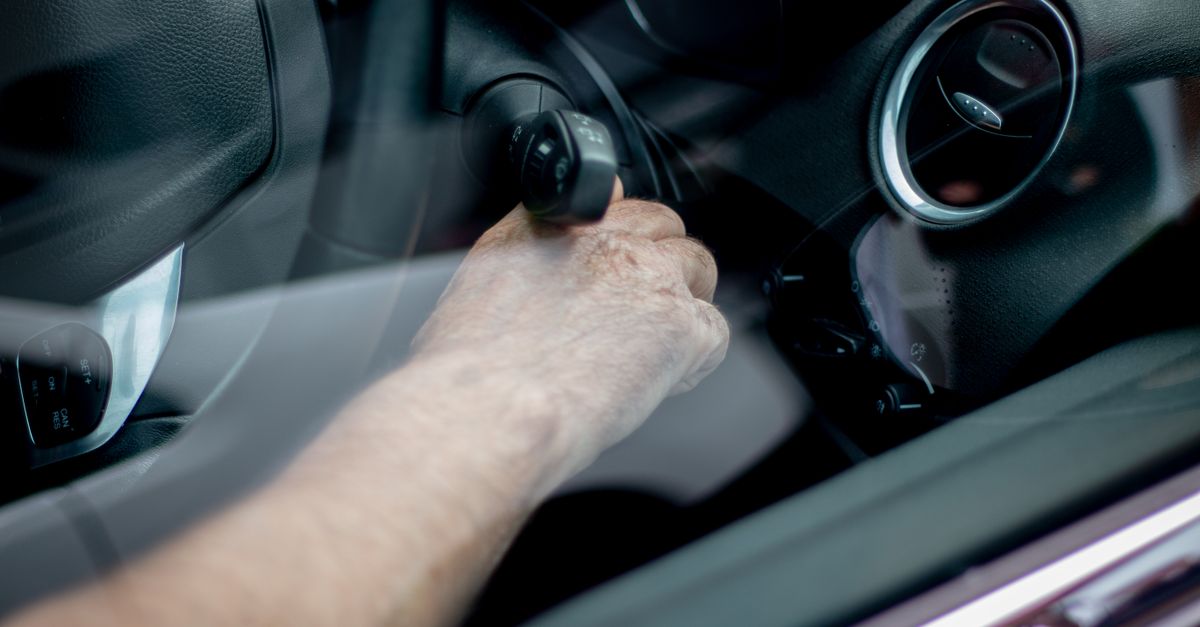
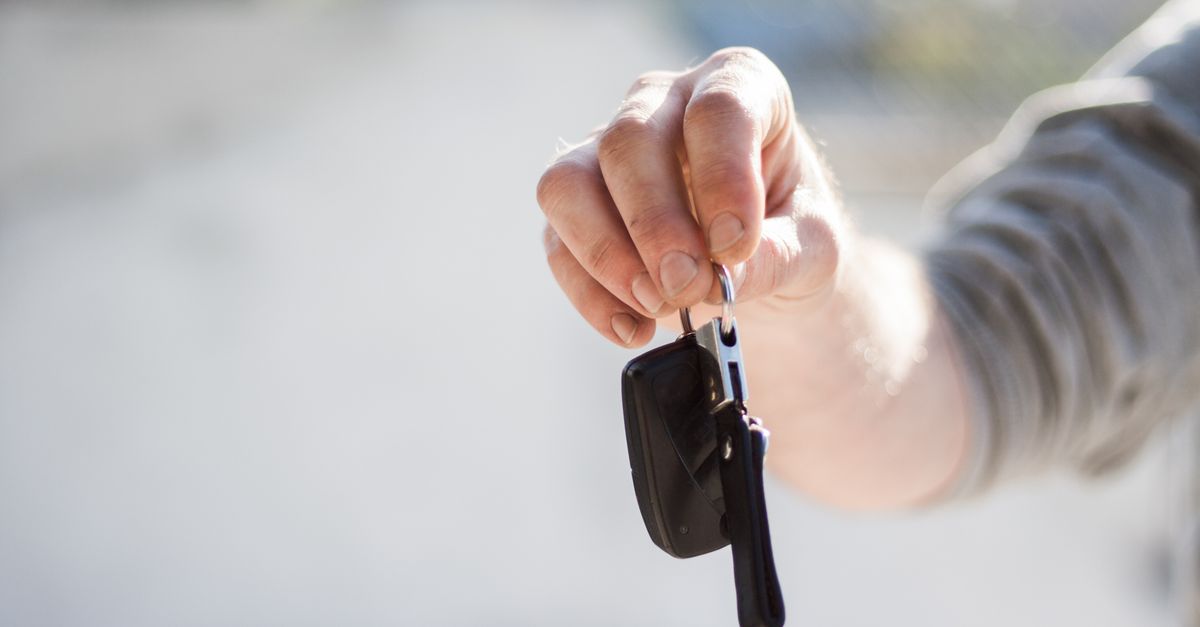
Not every key replacement follows the same process, and understanding the steps involved helps set realistic expectations. A basic mechanical key for an older vehicle requires precise blade cutting using the vehicle identification number or a code pulled from the lock itself. Transponder keys — standard on most vehicles built after the mid-1990s — add a programming step: a microchip embedded in the key head must be paired to the car's immobilizer system, or the engine simply will not start even if the blade is cut perfectly. Proximity keys and smart fobs go further still, requiring two-way radio frequency programming and, in some cases, an all-keys-lost procedure when no working key remains in the system.
Our technicians arrive with professional-grade key cutting machines and OBD-II programming tools that communicate directly with your vehicle's onboard computer. That mobile capability is the core of what we do — the same work a dealership service department performs in a shop, we perform in your driveway, parking lot, or roadside location across Cherry Hill Township and the surrounding Camden County area.