How a Failing Ignition Lock Cylinder Actually Behaves
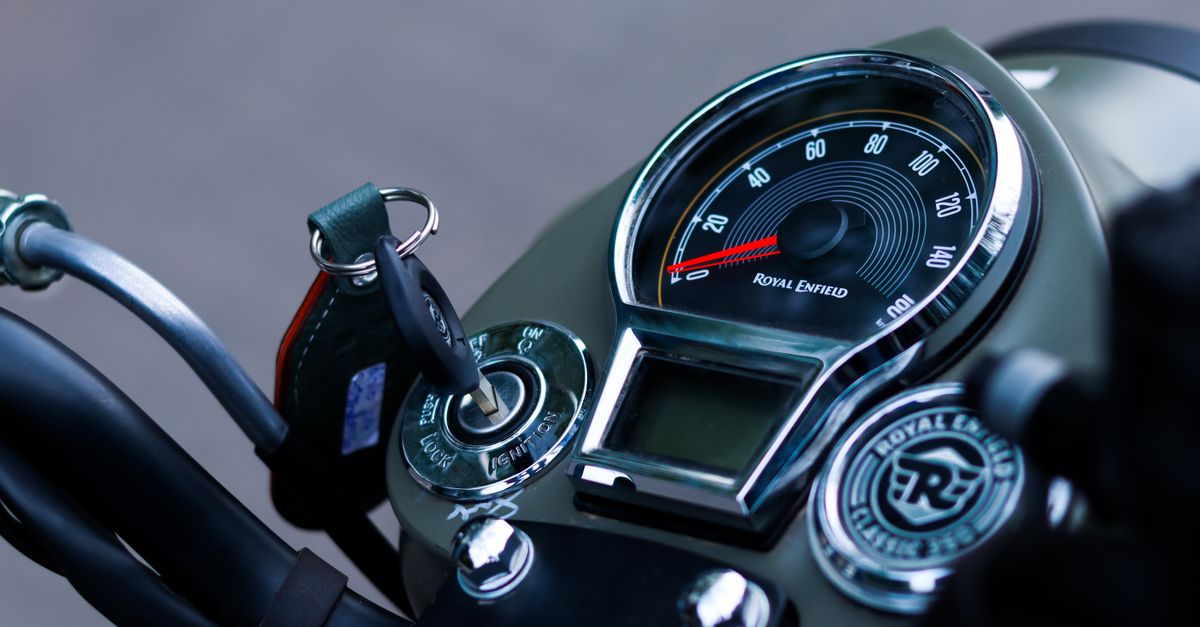
Not every starting problem is a dead battery or a bad starter motor. The ignition lock cylinder itself degrades over years of daily use. The most telling signs: the key turns freely but nothing happens (the cylinder has separated from the ignition switch behind it), the steering wheel locks solid even when the key is inserted, the key refuses to rotate past the 'ACC' position, or the cylinder accepts the key but won't release it when you try to remove it. In some cases the key has sheared off inside the cylinder bore — a situation that requires professional extraction before any other work can proceed. Worn wafer tumblers inside the cylinder are the most common mechanical culprit; they flatten out over time and stop reading the key's cuts accurately, which is why older, high-mileage vehicles are disproportionately represented in our service calls across Cherry Hill Township.
A cylinder that is merely worn — where the key still turns but feels loose or gritty — can sometimes be resolved through a rekey of the cylinder, replacing the internal wafer set or pin stack so the lock reads a fresh-cut key cleanly. This is essentially the same principle behind how to rekey a lock cylinder on a residential door: the internal pins or wafers are swapped out and a new key is cut to match. When the cylinder body itself is cracked, corroded, or has been damaged by a previous attempted bypass, replacement is the only sound option. Our technicians assess both paths on-site and walk you through the trade-offs before a single tool is picked up.